Cross Back Arowana
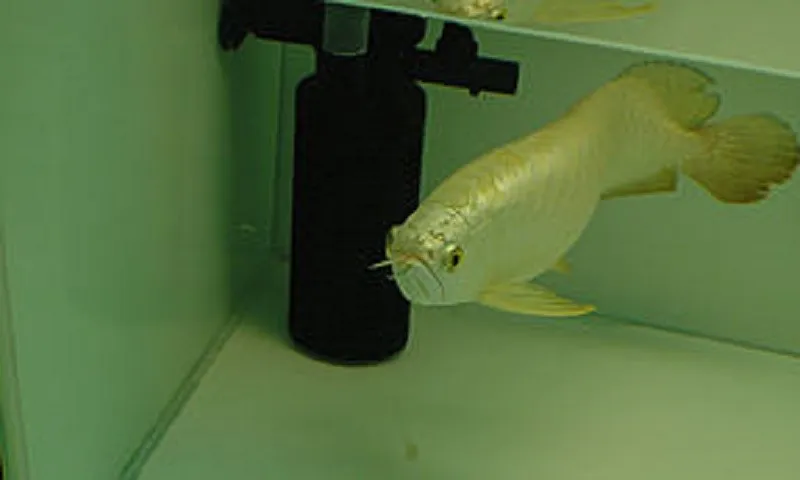
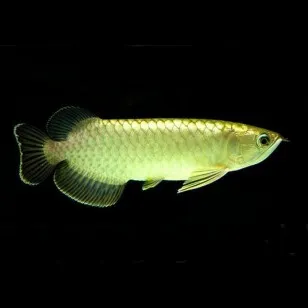
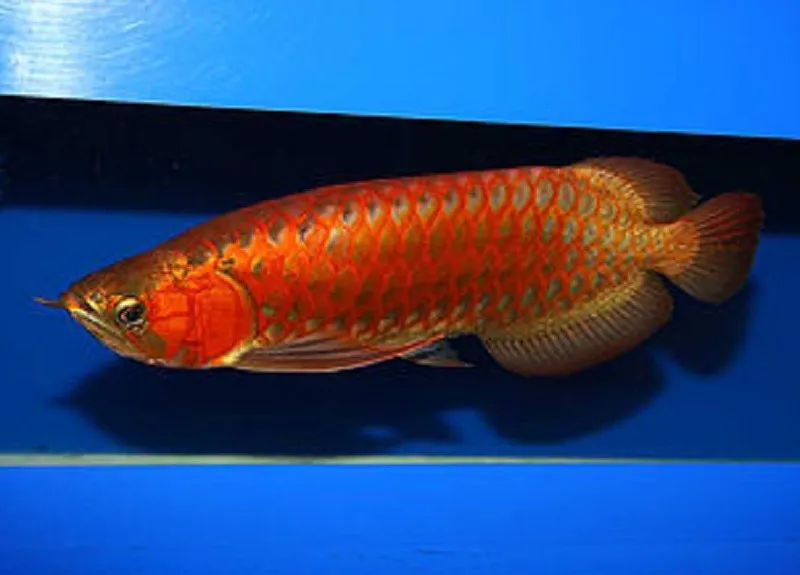
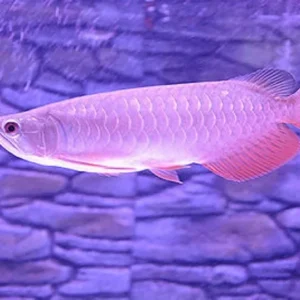
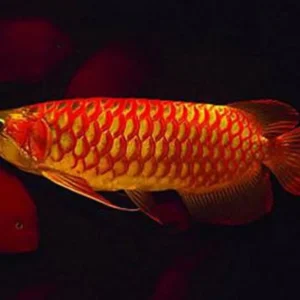
Cross Back Arowana is celebrated for its elongated, bony body that features a striking cross-shaped pattern across its back, creating a bold and symmetrical design that sets it apart from other variants. Typically growing to 2-3 feet in length, these fish have a sleek, torpedo-shaped form covered in large, interlocking scales that provide natural protection and a prehistoric allure. The cross back pattern is the hallmark feature, often appearing as a dark, contrasting mark that resembles a cross or “X” on the dorsal area, usually in red, gold, or black hues depending on the specific breeding line. This pattern is accentuated by iridescent scales that shimmer under light, adding depth and dynamism to their appearance.
Their heads are broad and flattened, with an upward-facing mouth equipped with sharp teeth for surface predation. Sensitive barbels around the mouth enhance sensory detection, while large, vigilant eyes contribute to their alert and intelligent look. The fins are elongated and flowing, including a prominent dorsal fin along the back and a powerful caudal fin for propulsion. Like all Arowana, they possess a labyrinth organ that allows air-breathing, enabling survival in low-oxygen environments.
Males and females are similar in appearance, though males may develop a subtle hump on the head as they mature. Juveniles display a less defined pattern that becomes more pronounced with age, evolving into the full, patterned splendor that makes this variant so sought after.
Behavioral Traits and Temperament
Cross Back Arowana exhibit behaviors that highlight their predatory intelligence and adaptability, making them engaging subjects for aquarium observation. In the wild, they are diurnal hunters, scanning river surfaces for insects, small fish, and crustaceans. This instinct carries over to captivity, where they display curious and territorial tendencies, often patrolling their space and defending it from perceived threats. They are renowned for their jumping ability, capable of leaping several feet to capture food or escape confinement, so a secure tank lid is essential.
Socially, Cross Back Arowana can be housed singly or in pairs, but they may show aggression towards smaller tank mates if space is insufficient. With ample room, they coexist peacefully, gliding through the water with elegance. These fish are highly intelligent, learning feeding routines and recognizing their owners, often approaching the tank for interaction. They position themselves near the surface, observing surroundings, and may indulge in playful activities like chasing bubbles or reflections.
Temperamentally, they are generally calm but can be reserved in unfamiliar settings, requiring time to acclimate. Their behaviors add dynamism to aquariums, responding to stimuli with swift movements or deliberate pauses, providing constant fascination.
Care Requirements for Cross Back Arowana
Caring for a Cross Back Arowana demands replicating their natural riverine habitat to maintain their patterned beauty and health. A spacious tank is crucial – a minimum of 200-300 gallons for a single adult, with larger setups for pairs to allow free movement. The aquarium should be rectangular and deep, featuring open swimming areas alongside hiding spots.
Water parameters must be stable: pH between 6.0 and 7.5, temperatures from 75°F to 82°F, and soft to moderately hard water. Robust filtration, such as canister or sump systems, is essential for waste management and oxygenation. Regular water changes (20-30% weekly) prevent ammonia buildup, with monitoring via test kits.
Substrate should be soft sand or fine gravel to protect their barbels. Add decor like rocks, driftwood, and plants for security, balancing with open space. Lighting should be moderate and diffused, mimicking natural conditions without stress. A secure lid prevents jumps, ensuring their well-being.
Diet and Feeding Habits
Cross Back Arowana are carnivorous, requiring protein-rich diets to support their growth and coloration. In nature, they consume insects, small fish, and crustaceans, which should be mirrored in captivity.
Offer high-quality pellets for large carnivores, supplemented with live or frozen bloodworms, brine shrimp, blackworms, and feeder fish. Feed 1-2 times daily, in portions eaten quickly to avoid overfeeding. Juveniles need smaller, frequent meals; adults handle larger ones.
Variety enhances their pattern and prevents deficiencies. Monitor feeding for health signs – active behavior and clear scales indicate vitality.
Breeding Cross Back Arowana
Breeding Cross Back Arowana is challenging for experienced aquarists. Maturity occurs at 2-3 years, with males building bubble nests for courtship.
Females lay hundreds of eggs, fertilized and guarded by the male, hatching in 5-7 days. Fry require infusoria initially, then brine shrimp in a separate tank.
Success depends on stable conditions and expertise, aiding preservation.
Common Health Issues and Prevention
Cross Back Arowana may face parasitic infections like ich, bacterial diseases from injuries, and swim bladder issues from diet. Scales can mask symptoms, so regular checks are vital.
Prevent with quarantine, water tests, and varied diets. Reduce stress for longevity, as they live 20-30 years. Vet consultations help with treatments.
Popularity in the Aquarium Hobby
Cross Back Arowana have gained popularity for their unique pattern and beauty, inspiring communities sharing care tips and photos. Their appeal promotes responsible keeping.
Myths and Interesting Facts About Cross Back Arowana
Myths link them to balance or luck, while facts include 20-30 year lifespans and color vision. Their cross pattern is a breeding innovation, enhancing symmetry.
Conservation and Ethical Considerations
Captive breeding supports wild protection. Ethical choices educate and sustain populations.
Conclusion: The Patterned Elegance of Cross Back Arowana
The Cross Back Arowana, with its symmetrical charm and prehistoric grace, enriches freshwater aquariums. By meeting their needs, enjoy their beauty long-term. If intrigued, research and prepare – the Cross Back Arowana offers endless wonder.
| SIZE | 4-6 inch |
|---|
Reviews
There are no reviews yet.
Related products
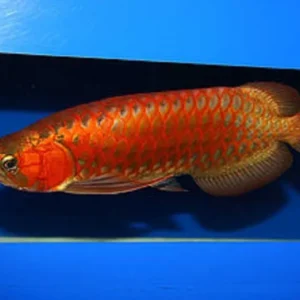
Arowana for sale
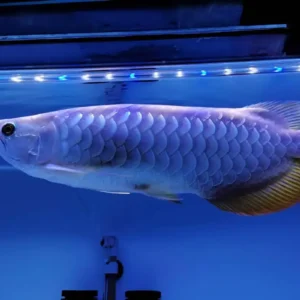
Arowana for sale
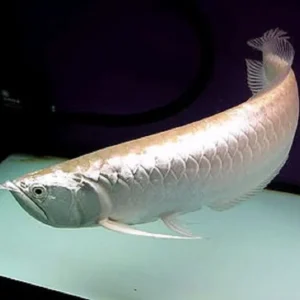
Arowana for sale

Arowana for sale
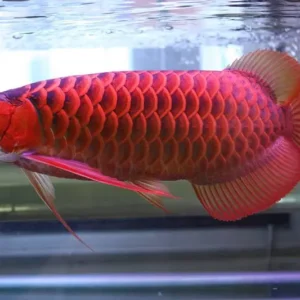
Arowana for sale
Arowana for sale
Arowana for sale
Arowana for sale
Be the first to review “Cross Back Arowana”