Golden Arowana
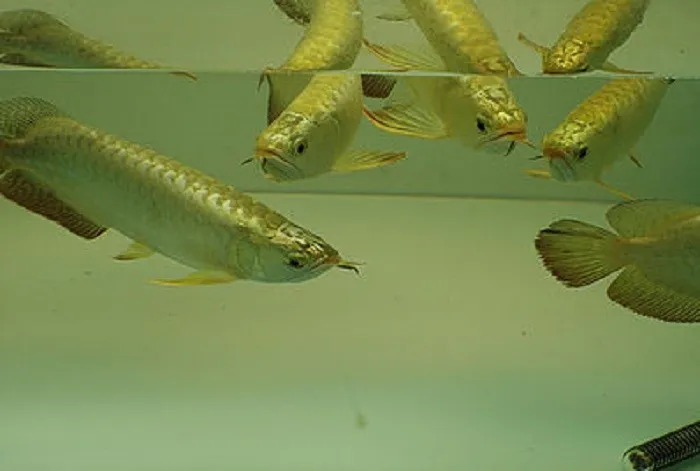
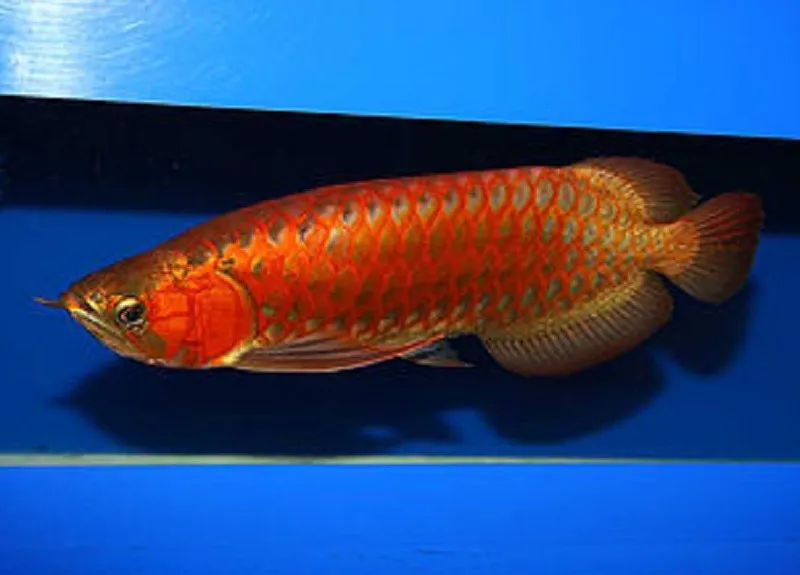
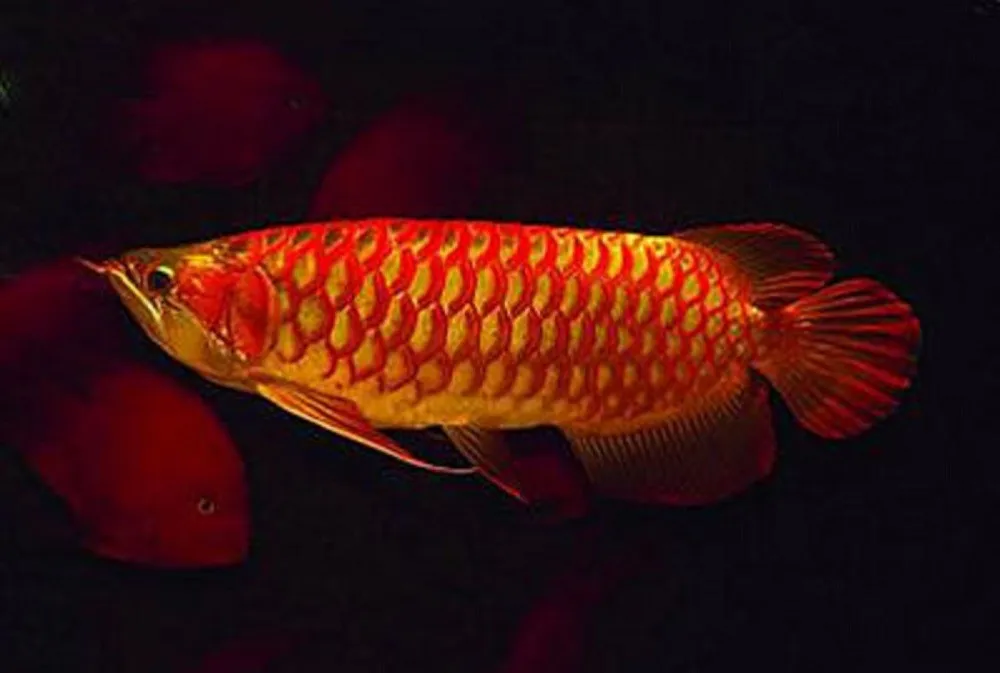
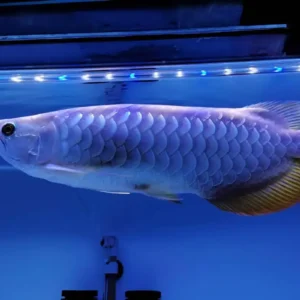
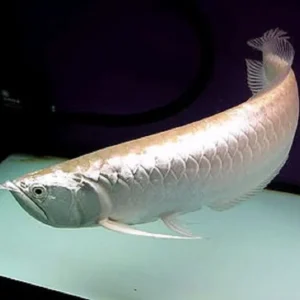
Golden Arowana is celebrated for its elongated, bony body that gleams like a treasure from ancient depths. Typically growing to 2-3 feet in length, these fish boast a sleek, torpedo-shaped form protected by large, interlocking scales that form a natural shield. The defining feature is their golden coloration, which ranges from a bright, metallic gold to deeper amber tones, often accentuated by iridescent flashes that dance under light. The scales are smooth and reflective, creating a dynamic play of colors that enhances their prehistoric charm.
Their heads are broad and flat, with an upward-facing mouth armed with sharp teeth for efficient predation. Sensitive barbels dangle from the mouth, aiding in sensory exploration, while large, vigilant eyes provide keen vision for hunting. The fins are elongated and graceful, featuring a prominent dorsal fin that runs the length of the back and a robust caudal fin for powerful propulsion. A labyrinth organ allows them to gulp air, ensuring survival in low-oxygen conditions – a hallmark adaptation of the species.
Males and females share similar appearances, though males may exhibit a subtle hump on the head as they age. Juveniles start with a muted golden tint that matures into the full, radiant glow, making them a spectacle of transformation in aquariums.
Behavioral Traits and Temperament
Gold Arowana display behaviors that highlight their intelligence and predatory prowess, making them engaging companions in large tanks. In the wild, they are diurnal predators, scanning river surfaces for insects, small fish, and crustaceans. This instinct manifests in captivity through curious exploration and territorial defense, where they may claim space and react to intruders. Their jumping ability is legendary, allowing them to leap several feet for food or escape, so a secure tank cover is essential.
Socially, Golden Arowana thrive singly or in pairs, but they can be assertive towards smaller fish if space is tight. With adequate room, they glide peacefully, patrolling their domain. These fish are remarkably intelligent, learning feeding times and recognizing owners, often approaching the tank for interaction. They linger near the surface, observing activities, and may chase bubbles or reflections in playful displays.
Temperamentally, they are calm yet alert, sometimes shy initially but adapting with time. Their behaviors add liveliness to aquariums, responding to stimuli with swift darts or serene watches, providing constant fascination.
Care Requirements for Golden Arowana
Maintaining a Golden Arowana demands replicating their riverine origins, focusing on space, water quality, and stability to preserve their golden luster. A minimum tank of 200-300 gallons is required for a single adult, expanding for pairs to ensure ample swimming room. The setup should be rectangular and deep, with open areas for movement and hiding spots for security.
Water parameters are critical: pH 6.0-7.5, temperatures 75-82°F, and soft to moderately hard water. Powerful filtration, like canister or sump systems, handles waste and maintains oxygenation. Weekly 20-30% water changes prevent toxins, with regular testing for ammonia, nitrite, and nitrate.
Substrate of soft sand or fine gravel protects their barbels. Decorate with rocks, driftwood, and plants, balancing cover with open space. Moderate, diffused lighting mimics natural conditions without stress. A secure lid prevents jumps, and consistent care ensures their radiant health.
Diet and Feeding Habits
Golden Arowana are carnivorous, thriving on protein-rich diets that fuel their growth and coloration. In nature, they consume insects, small fish, and crustaceans, which should be mirrored in captivity for vitality.
Offer pellets for large carnivores, plus live or frozen bloodworms, brine shrimp, blackworms, and feeder fish. Feed 1-2 times daily, in portions eaten quickly to avoid waste. Juveniles need smaller, frequent meals; adults handle larger ones.
Variety supports their golden scales and prevents deficiencies. Monitor feeding for signs of health – active foraging and clear scales indicate well-being.
Breeding Golden Arowana
Breeding Golden Arowana is a rewarding challenge for experts. Maturity arrives at 2-3 years, with males building bubble nests for courtship.
Females lay hundreds of eggs, fertilized and guarded by the male, hatching in 5-7 days. Fry start with infusoria, progressing to brine shrimp in a separate tank.
Success requires stable conditions and skill, contributing to their preservation.
Common Health Issues and Prevention
Golden Arowana may face parasitic infections like ich, bacterial diseases from injuries, and swim bladder issues from poor diet. Scales can hide symptoms, so vigilance is key.
Prevent with quarantine, water tests, and varied diets. Reduce stress for longevity, as they live 20-30 years. Vet consultations aid treatments.
Popularity in the Aquarium Hobby
Golden Arowana’s beauty and symbolism have made them icons, inspiring communities sharing care and showcases. Their allure promotes responsible keeping.
Myths and Interesting Facts About Golden Arowana
Myths link them to fortune, while facts include 20-30 year lifespans and color vision. Their gold is bred for enhanced iridescence.
Conservation and Ethical Considerations
Captive breeding supports wild protection. Ethical choices educate and sustain populations.
Conclusion: Embracing the Golden Arowana
The Golden Arowana, with its luminous appeal and ancient grace, enriches freshwater aquariums. By meeting their needs, enjoy their splendor long-term. If intrigued, research and prepare – the Golden Arowana shines brightly.
| SIZE | 4-6 inch |
|---|
Reviews
There are no reviews yet.
Related products
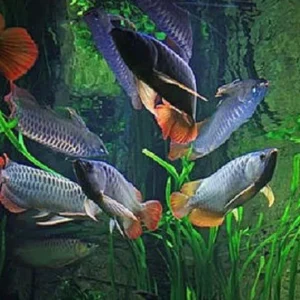
Arowana for sale
Arowana for sale
Arowana for sale
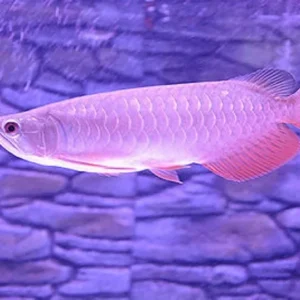
Arowana for sale
Arowana for sale
Arowana for sale
Arowana for sale
Arowana for sale
Be the first to review “Golden Arowana”