
Banjar Red Arowana
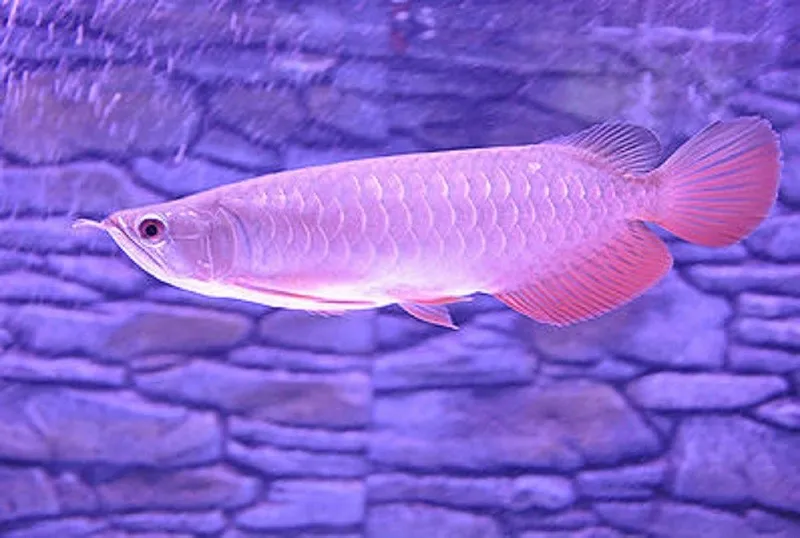
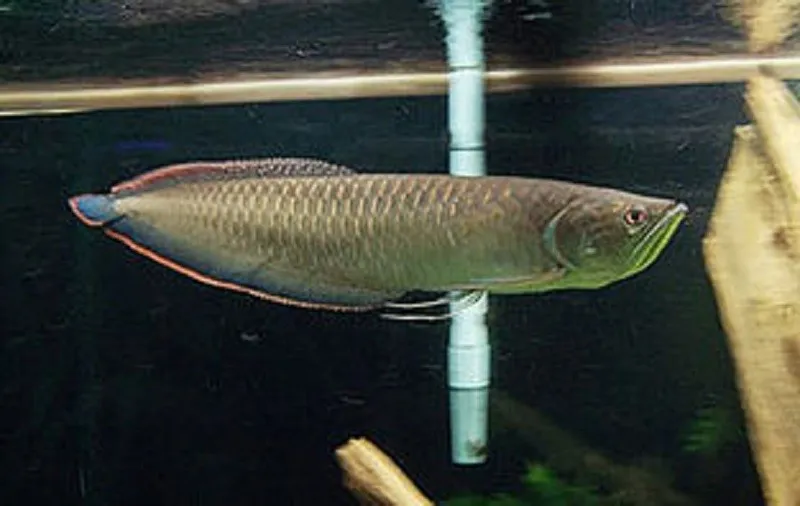
The Banjar Red Arowana is renowned for its elongated, bony body that exudes prehistoric charm. Typically growing to 2-3 feet in length, these fish have a sleek, torpedo-shaped form covered in large, interlocking scales that provide a natural armor. What sets the Banjar Red apart is its deep, ruby-red coloration, which intensifies with age and proper care. The scales shimmer with an iridescent glow under light, ranging from bright crimson to maroon, often accented by subtle gold or black markings on the fins.
Their heads are broad, with upward-facing mouths equipped with sharp teeth for capturing prey. The eyes are prominent, aiding in surface hunting, and they possess sensitive barbels around the mouth for detecting food. Fins are elongated and flowing, including a high dorsal fin that runs the length of the body and a powerful caudal fin for propulsion. Like other Arowana, they feature a labyrinth organ that allows them to breathe air, enabling survival in low-oxygen waters.
Males and females are similar in appearance, though males may develop a more pronounced hump on the head as they mature. Juveniles start with a paler red hue that deepens over time, making them a dynamic addition to any aquarium.
Behavioral Traits and Temperament
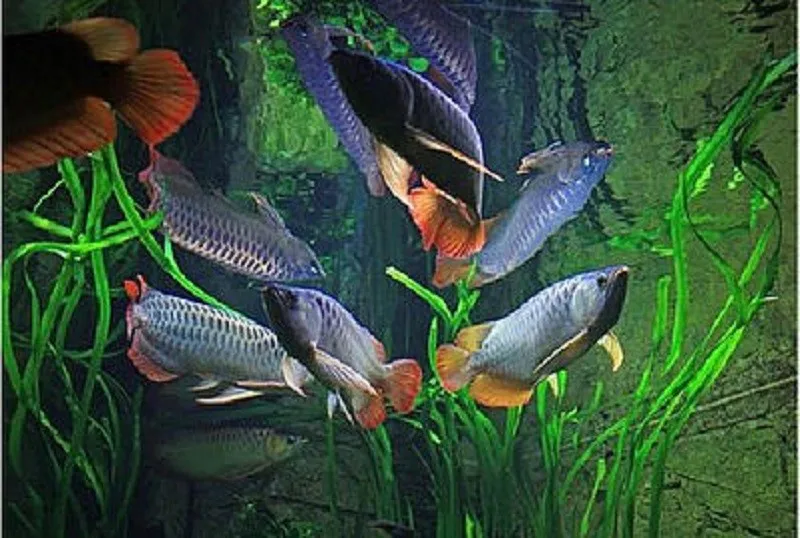
Banjar Red Arowana exhibit behaviors that reflect their predatory nature and intelligent disposition. In the wild, they are diurnal hunters, patrolling rivers and lakes for insects, small fish, and crustaceans. This translates to aquarium life, where they display curious and sometimes territorial tendencies. They are known for their jumping ability, capable of leaping several feet out of the water to snatch prey or escape, so a secure tank lid is essential.
Socially, these fish can be solitary or kept in pairs, but they may become aggressive towards smaller tank mates if space is limited. However, with ample room, they often coexist peacefully. Banjar Red Arowana are intelligent, recognizing their owners and learning feeding routines. They spend time near the surface, observing their environment, and may perform graceful glides or sudden bursts of speed.
Temperamentally, they are generally calm but can be shy initially, requiring a stress-free setup to thrive. Their behaviors add an interactive element to aquariums, as they respond to movements and may even “beg” for food.
Care Requirements for Banjar Red Arowana
Caring for a Banjar Red Arowana demands dedication to replicating their natural riverine habitat. A spacious tank is crucial – a minimum of 200-300 gallons for a single adult, with larger setups for pairs. The aquarium should be rectangular with plenty of open swimming space, as these fish are active and need room to maneuver.
Water quality is paramount: maintain a pH between 6.0 and 7.5, temperatures from 75°F to 82°F, and soft to moderately hard water. Robust filtration is necessary to handle their waste, and regular water changes (20-30% weekly) prevent ammonia buildup. Use a high-quality filter system, such as a canister or sump, to ensure clean, oxygenated water.
Substrate should consist of soft sand or fine gravel to avoid damaging their barbels. Incorporate hiding spots with rocks, driftwood, and live plants, but leave areas for swimming. Lighting should be moderate and diffused, mimicking natural daylight without causing stress. A secure lid prevents jumps, and monitoring for stable parameters is key to long-term health.
Diet and Feeding Habits
Banjar Red Arowana are carnivorous predators with a preference for protein-rich foods. In their native habitats, they feed on insects, small fish, and crustaceans, which should be mirrored in captivity for optimal nutrition.
Offer a varied diet including high-quality pellets formulated for large carnivorous fish, supplemented with live or frozen foods like bloodworms, brine shrimp, blackworms, and small feeder fish. Feed once or twice daily, providing only what they can consume in a few minutes to avoid overfeeding. Juveniles may require more frequent, smaller meals, while adults handle larger portions.
A balanced diet supports their vibrant coloration and prevents deficiencies. Observing their feeding behavior ensures they’re healthy – a well-fed Banjar Red Arowana will exhibit strong appetite and clear scales.
Breeding Banjar Red Arowana
Breeding Banjar Red Arowana is a rewarding but challenging process for experienced aquarists. These fish reach sexual maturity around 2-3 years, with males often displaying courtship behaviors like nest-building.
The breeding ritual involves the male creating a bubble nest near the surface, where the female lays hundreds of eggs. After fertilization, the male guards the nest and aerates the eggs until they hatch in 5-7 days. Fry emerge as tiny larvae, requiring immediate care with infusoria or finely crushed foods.
Raising fry demands a separate tank with stable conditions and live feeds like brine shrimp. Survival rates improve with expertise, making breeding a testament to dedication. Successful efforts contribute to preserving this beautiful variant.
Common Health Issues and Prevention
Like all fish, Banjar Red Arowana are susceptible to health problems if care is inadequate. Common issues include parasitic infections like ich, causing white spots and lethargy, and bacterial diseases from wounds or stress, leading to ulcers.
Swim bladder disorders may occur due to overfeeding or sudden changes, affecting buoyancy. Their sensitive barbels make them prone to abrasions in rough environments.
Preventive measures include quarantine for new additions, regular water testing, and a varied diet. Stress reduction through proper setup and prompt treatment of issues ensure longevity. Consulting a fish veterinarian can provide tailored advice.
Popularity in the Aquarium Hobby
Banjar Red Arowana have surged in popularity due to their stunning appearance and cultural symbolism. In many Asian cultures, they are prized as symbols of prosperity, often given as gifts or displayed in homes. This has fueled their demand in the global aquarium trade, with enthusiasts sharing photos and care tips online.
Their manageable size for large tanks makes them accessible to dedicated hobbyists, fostering communities that celebrate breeding successes and showcases. However, their appeal comes with responsibility, as they require long-term commitment.
Myths and Interesting Facts About Banjar Red Arowana
Surrounding Banjar Red Arowana are myths, such as the belief that they bring immense luck and wealth, leading to high values in some markets. Interestingly, they can live up to 20-30 years with proper care, outlasting many other fish.
A fun fact: their red coloration is a result of selective breeding, enhancing their natural hues. They possess excellent vision and can even see in color, aiding hunting. Contrary to myth, they are not inherently aggressive but territorial when space is tight.
Conservation and Ethical Considerations
While Banjar Red Arowana are bred in captivity, their wild relatives face habitat threats. Responsible ownership involves supporting sustainable breeding to reduce pressure on natural populations.
Educating others about proper care promotes conservation, ensuring these fish continue to thrive in aquariums and the wild.
Conclusion: Embracing the Banjar Red Arowana
The Banjar Red Arowana, with its radiant beauty and symbolic significance, represents the pinnacle of elegance in freshwater aquariums. From its vibrant scales to its intelligent behaviors, this fish offers endless wonder for those who commit to its care. By understanding its needs and respecting its origins, you can create a harmonious environment that highlights its majesty. If the allure of the Banjar Red Arowana captivates you, research thoroughly and prepare for a rewarding journey – the rewards are as vivid as the fish itself.
| SIZE | 4-6 inch, 8-10 inch, 12-14 inch, 16-18 inch |
|---|
Reviews
There are no reviews yet.
Related products
Arowana for sale
Arowana for sale
Arowana for sale
Arowana for sale
Arowana for sale
Arowana for sale
Arowana for sale
Arowana for sale
Be the first to review “Banjar Red Arowana”