Arapaima Arowana Fish
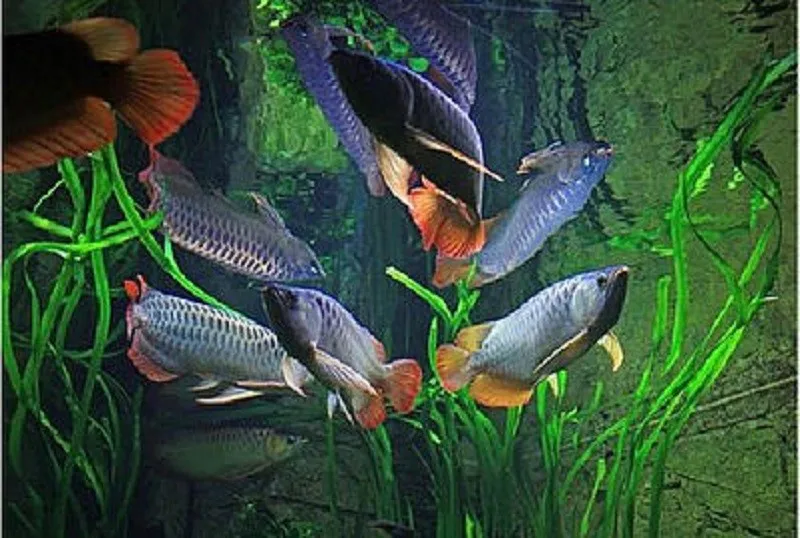
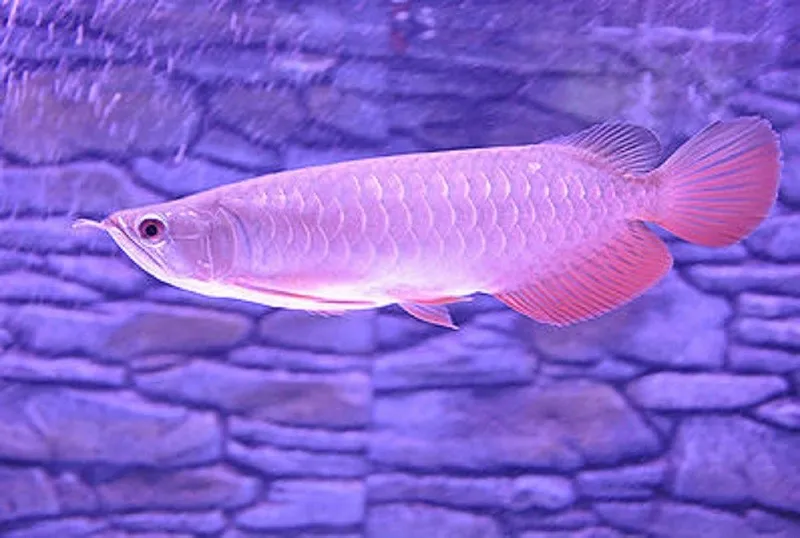
Arapaima arowana fish are distinguished by their colossal size and armored build, setting them apart from the more slender Arowana. In the wild, these fish can exceed 10 feet in length and weigh over 400 pounds, though captive specimens are generally smaller. Their elongated, cylindrical body is encased in large, interlocking bony scales that form a protective shield, reminiscent of prehistoric fish. The head is broad and flattened, with a wide, tooth-filled mouth designed for crushing prey.
Coloration typically features a silvery-gray base adorned with dark blotches or patterns for camouflage in murky waters. Unlike the iridescent scales of Arowana, which shimmer in vibrant hues, Arapaima have a more subdued appearance that enhances their stealth. Their fins are proportionally smaller, including a long dorsal fin and a robust caudal fin for propulsion. A notable adaptation is the labyrinth organ, enabling air-breathing to survive in low-oxygen environments – a trait shared with Arowana but crucial for Arapaima’s riverine lifestyle.
Males and females are visually similar, though females tend to be larger. Juveniles display more pronounced patterns that fade as they mature, adding to their evolutionary intrigue.
Natural Habitat and Behavioral Traits
Native to the Amazon Basin and surrounding freshwater rivers in South America, Arapaima inhabit slow-moving, oxygen-poor waters where they lurk near the surface or in vegetation. They are ambush predators, relying on patience and power to capture fish, crustaceans, and even small mammals. This behavior translates to captivity, where they exhibit calm, deliberate movements, often positioning themselves to watch for food.
Compared to the more agile Arowana, which dart through open waters, Arapaima arowana fish are less frenetic, spending time gulping air at the surface. They are diurnal, active during the day, and display intelligence by learning feeding routines. However, their jumping ability is formidable, capable of leaping several feet, necessitating secure enclosures. Socially, Arapaima are solitary and best kept alone, as their size can intimidate or harm smaller fish – a stark contrast to Arowana, which may tolerate certain tank mates in spacious setups.
Temperamentally, Arapaima are generally peaceful towards humans but possess powerful jaws that demand respect. Their behaviors, such as slow gliding or sudden strikes, offer a mesmerizing spectacle for observers.
Care Requirements for Arapaima
Caring for an Arapaima arowana fish is a monumental task, far exceeding the demands of Arowana due to its immense size. A minimum tank of 1,000 gallons is essential for a single adult, with larger volumes for growth. Rectangular, deep tanks mimic river depths, requiring robust filtration systems to manage high waste output. Water parameters include a pH of 6.0-7.5, temperatures of 75-82°F, and soft to moderately hard water. Oxygenation is paramount, using powerful pumps and diffusers to support their air-breathing needs.
Substrate should be soft sand to protect their barbels, with rocks, driftwood, and plants for hiding. Lighting must be moderate to avoid stress, and a secure lid prevents jumps. Regular water changes (20-30% weekly) and parameter monitoring are critical. Unlike Arowana, which can thrive in 200-500 gallon setups, Arapaima’s requirements make it unsuitable for most home aquariums, often reserved for zoos or specialized facilities.
Diet and Feeding Habits
Arapaima arowana fish are obligate carnivores with voracious appetites, consuming protein-heavy meals in the wild. Their diet includes fish, shrimp, insects, and larger prey, which must be replicated in captivity for health.
Feed high-quality sinking pellets or whole frozen foods like fish fillets, shrimp, and worms. Live options such as feeder fish can be offered, but ensure they’re parasite-free. Adults eat 1-2 times daily, with portions controlled to prevent overfeeding. Juveniles need more frequent, smaller meals. A balanced diet supports their growth and prevents issues like obesity. In comparison, Arowana have similar preferences but on a smaller scale, making their feeding more manageable for home keepers.
Breeding Arapaima
Breeding Arapaima is a rare and expert-level endeavor, differing from the more accessible Arowana reproduction. Maturity occurs at 4-6 years, with courtship involving nest-building in shallow areas. Females release thousands of eggs, fertilized externally and guarded by parents. Incubation lasts about a week, followed by fry care with live foods like brine shrimp.
Success rates are low, requiring pristine conditions and expertise. Unlike Arowana, where bubble nests are common in home setups, Arapaima breeding typically occurs in controlled environments, contributing to conservation efforts.
Common Health Issues and Prevention
Arapaima arowana fish face health risks similar to Arowana, including parasitic infections (ich, flukes), bacterial diseases from wounds, and swim bladder disorders from poor diet. Their size amplifies issues, with injuries from rough handling or substrates being more severe.
Prevention involves stable water, quarantine, varied diets, and regular checks. Aquarium salt can aid stress relief, but veterinary consultation is advised. Proactive care ensures longevity, with Arapaima potentially living 50 years.
Popularity in the Aquarium Hobby
Arapaima arowana fish have captivated the hobby with their prehistoric allure, though their size limits home ownership. Featured in public aquariums, they inspire awe and discussion. Arapaima arowana fish, being more compact, are widespread in private collections. Both species foster communities sharing tips, but Arapaima’s rarity makes it a symbol of extreme fishkeeping.
Myths and Interesting Facts About Arapaima
Myths portray Arapaima as aggressive man-eaters, but they are generally docile. They can vocalize by grinding teeth and jump impressively. Living up to 50 years, they outlast many fish. Arowana myths include luck-bringing properties, while both share air-breathing adaptations.
Conservation and Ethical Considerations
Arapaima arowana fish populations are threatened by overfishing, prompting breeding programs. Ethical keepers choose captive-bred stock to support sustainability, mirroring efforts for Arowana.
Conclusion: The Enduring Appeal of Arapaima
The Arapaima arowana fish, with its colossal presence and ties to Arowana-like species, represents the pinnacle of freshwater fascination. By understanding its needs, you can admire this giant responsibly. Whether comparing to Arowana or keeping one, the journey enriches the hobby. Embrace the wonder of Arapaima – a living link to the past.CX
| SIZE | 4-6 inch, 8-10 inch |
|---|
Reviews
There are no reviews yet.
Related products
Arowana for sale
Arowana for sale
Arowana for sale
Arowana for sale
Arowana for sale
Arowana for sale
Arowana for sale
Arowana for sale
Be the first to review “Arapaima Arowana Fish”