African Arowana
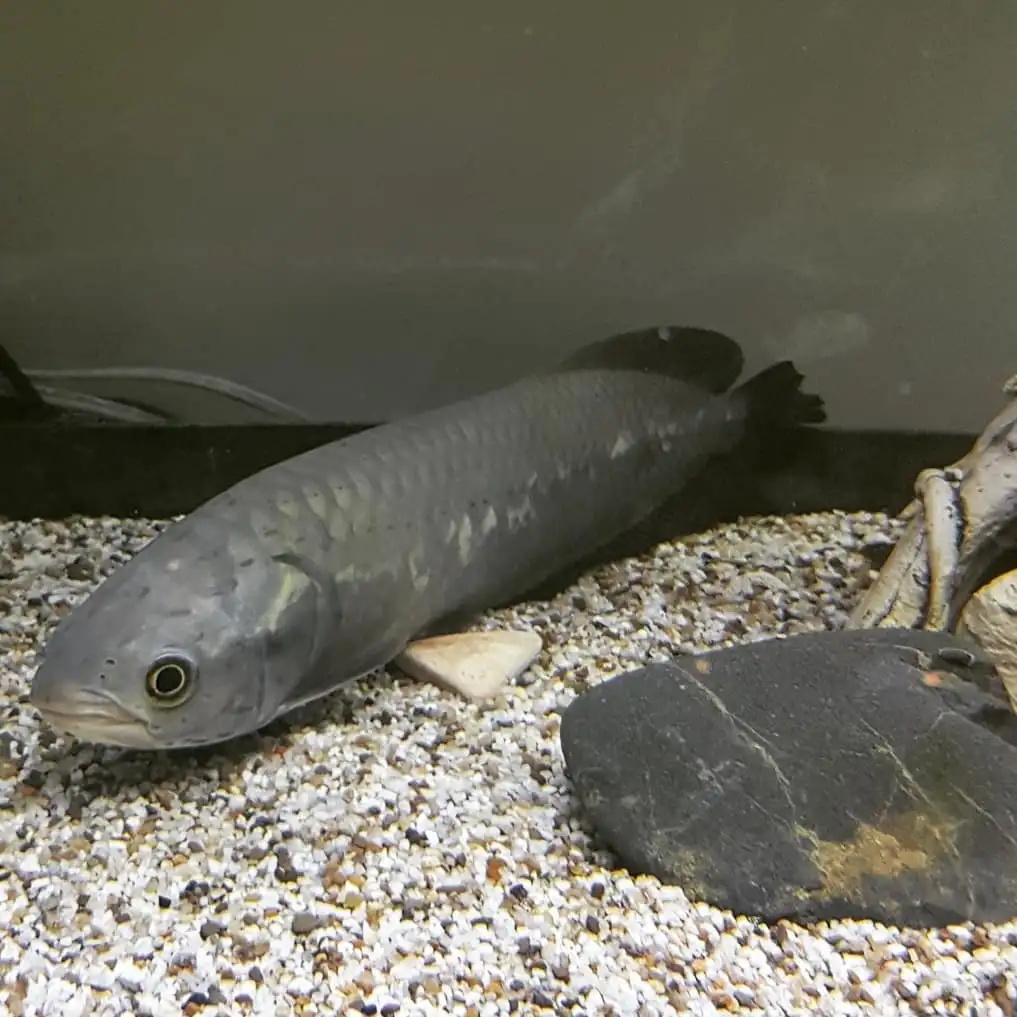
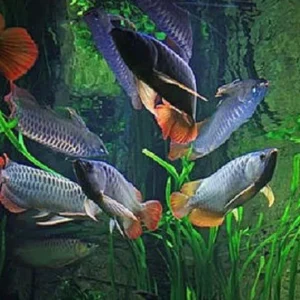
One of the most distinctive features of the African Arowana is its elongated, bony body that resembles ancient fish from the dinosaur era. Typically growing to impressive lengths of up to 3 feet in the wild, these fish have a sleek, torpedo-shaped form that allows them to glide effortlessly through the water. Their scales are large and bony, providing a natural armor that protects them from predators.
The coloration of African Arowana varies, but many exhibit a silvery-gray base with iridescent hues that shimmer under light. Some varieties feature subtle patterns or spots, adding to their visual appeal. Their mouths are particularly noteworthy – wide and upward-facing, equipped with sharp teeth designed for capturing prey. This unique jaw structure is a hallmark of the species, enabling them to snatch insects and small fish from the surface.
Another fascinating aspect is their ability to breathe air. African Arowana possess a labyrinth organ, a specialized structure that allows them to gulp air from the surface. This adaptation is crucial for survival in oxygen-poor waters and adds to their resilience as a species.
Behavioral Traits and Temperament
African Arowana are known for their curious and sometimes aggressive nature. In the wild, they are solitary hunters, preferring to stake out territories and defend them fiercely. This territorial behavior translates to aquarium settings, where they may become dominant over other fish. It’s essential for keepers to provide ample space to prevent conflicts.
These fish are diurnal, meaning they are most active during the day. They often spend time near the water’s surface, watching for food or observing their surroundings. African Arowana are intelligent creatures, capable of recognizing their owners and even learning to associate feeding times with human presence. Their jumping ability is legendary – they can leap several feet out of the water, so a secure tank lid is a must to prevent escapes.
Socially, African Arowana can be kept with compatible tank mates, but caution is advised. They thrive best in species-only tanks or with larger, non-aggressive fish that won’t provoke their territorial instincts. Observing their behaviors can be a rewarding experience, as they exhibit a range of actions from graceful swimming to sudden bursts of speed.
Care Requirements for African Arowana
Caring for an African Arowana requires commitment and attention to detail. These fish demand large aquariums due to their size – a minimum of 200 gallons is recommended for a single adult, with even larger setups for multiple fish. The tank should be spacious enough to allow for natural swimming patterns and territorial needs.
Water quality is paramount. African Arowana prefer slightly acidic to neutral pH levels, typically between 6.0 and 7.5, with temperatures ranging from 75°F to 82°F. Regular water changes and a robust filtration system are essential to maintain optimal conditions. They produce significant waste, so a powerful filter that can handle high bio-load is crucial.
Substrate and decor should mimic their natural environment. Use soft sand or fine gravel to prevent injury to their sensitive barbels. Provide hiding spots with rocks, driftwood, and plants, but ensure there’s plenty of open swimming space. Lighting should be moderate, as these fish don’t require intense illumination.
Diet and Feeding Habits
African Arowana are carnivorous predators with a voracious appetite. In the wild, they feed on insects, small fish, crustaceans, and even frogs. In captivity, replicating this diet is key to their health and vitality.
A balanced diet includes high-quality pellets formulated for large carnivorous fish, supplemented with live or frozen foods like bloodworms, brine shrimp, and small feeder fish. Variety is important to prevent nutritional deficiencies. Feed them once or twice a day, offering only what they can consume in a few minutes to avoid overfeeding.
Young African Arowana may require more frequent, smaller meals, while adults can handle larger portions. Monitoring their feeding behavior helps ensure they’re getting adequate nutrition – a healthy African Arowana will have a robust appetite and maintain good body condition.
Breeding African Arowana
Breeding African Arowana is a challenging but rewarding endeavor for experienced aquarists. These fish reach sexual maturity around 2-3 years of age, with females typically larger than males.
To encourage breeding, provide a spacious tank with optimal water conditions and plenty of hiding spots. The process often involves bubble nests built by the male near the surface. Females lay hundreds of eggs, which the male guards and aerates until they hatch.
Raising fry requires specialized care, including infusoria or finely crushed foods for the first few days. Survival rates can be low, making breeding a test of patience and skill. Successful breeders often report a sense of accomplishment, as watching the lifecycle unfold is truly mesmerizing.
Common Health Issues and Prevention
Like any fish, African Arowana are susceptible to various health problems if not cared for properly. One common issue is ich, a parasitic infection that causes white spots on the body. Maintaining stable water parameters and quarantine new additions can prevent this.
Swim bladder disorders may occur due to overfeeding or poor diet, leading to buoyancy issues. Regular health checks and a varied diet help mitigate this. Bacterial infections can arise from wounds or stress, so providing a clean environment is vital.
Preventive measures include routine water testing, stress reduction through proper tank setup, and prompt treatment of any signs of illness. Consulting with a veterinarian specializing in fish can provide tailored advice for keeping your African Arowana thriving.
Popularity in the Aquarium Hobby
African Arowana have become icons in the world of freshwater aquariums. Their impressive size and striking looks make them conversation starters at fish shows and hobbyist gatherings. Many enthusiasts are drawn to their prehistoric appearance, which adds a touch of the exotic to home tanks.
In recent years, the popularity of African Arowana has surged, with dedicated communities sharing care tips and breeding successes online. Social media platforms buzz with photos and videos of these majestic fish, inspiring newcomers to the hobby.
However, their appeal comes with responsibility. Potential owners should research thoroughly, as these fish require significant resources and long-term commitment. The joy of watching an African Arowana grow and interact with its environment is unparalleled for those who rise to the challenge.
Myths and Interesting Facts About African Arowana
Surrounding African Arowana are several myths and fascinating facts that add to their allure. One popular belief is that they bring good luck or prosperity, a notion stemming from Asian cultures where similar fish are prized.
Interestingly, African Arowana can live up to 20 years or more with proper care, making them long-term companions. They possess excellent vision and can even see in color, aiding their hunting prowess.
Another myth is that they are aggressive towards all tank mates, but with proper selection, they can coexist peacefully. Their ability to jump is often exaggerated, but it’s a real behavior that requires secure tank management.
Conservation and Ethical Considerations
While African Arowana are not currently endangered, their wild populations face threats from habitat loss and overfishing. Responsible hobbyists play a role in conservation by supporting sustainable practices and avoiding wild-caught specimens.
Breeding programs in captivity help reduce pressure on wild stocks, ensuring the species’ future. Educating others about proper care contributes to the overall health of these magnificent fish.
Conclusion: Embracing the African Arowana Experience
The African Arowana is more than just a fish – it’s a living relic that connects us to ancient aquatic worlds. With their unique features, behaviors, and care needs, they offer endless opportunities for learning and enjoyment. Whether you’re considering adding one to your aquarium or simply fascinated by their story, the African Arowana reminds us of the diversity and wonder of freshwater life.
By understanding and respecting these incredible creatures, we can ensure they continue to thrive in both wild and captive environments. If you’re ready to embark on this journey, remember that patience, research, and dedication are your best allies. The world of African Arowana awaits – dive in and discover the magic for yourself.
| Size | 4-6 inches, 6-8 inches, 8-10 inches, 10-12 inches, 12-14 inches, 14-16 inches, 16-18 inches |
|---|
Reviews
There are no reviews yet.
Related products
Arowana for sale
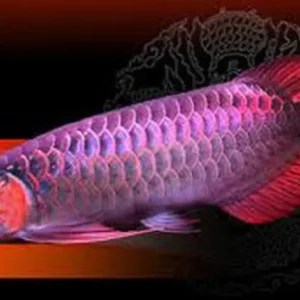
Arowana for sale
Arowana for sale
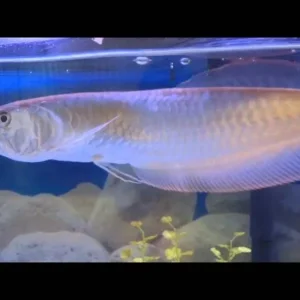
Arowana for sale
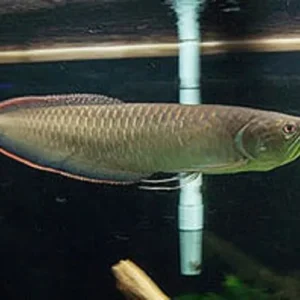
Arowana for sale
Arowana for sale
Arowana for sale
Arowana for sale
Be the first to review “African Arowana”